Proven Wildlife Removal: Secure Your Home and Estate
Professional animal control services are vital for residents encountering potential harm from animal intrusions. These invasions can produce major property damage and health hazards. Understanding the critical nature of managing animal concerns is critical. Grasping the red flags and understanding when to reach out to professional services can make a real difference. But what are the most typical animal intruders, and how can one effectively shield against them? The answers may surprise you.
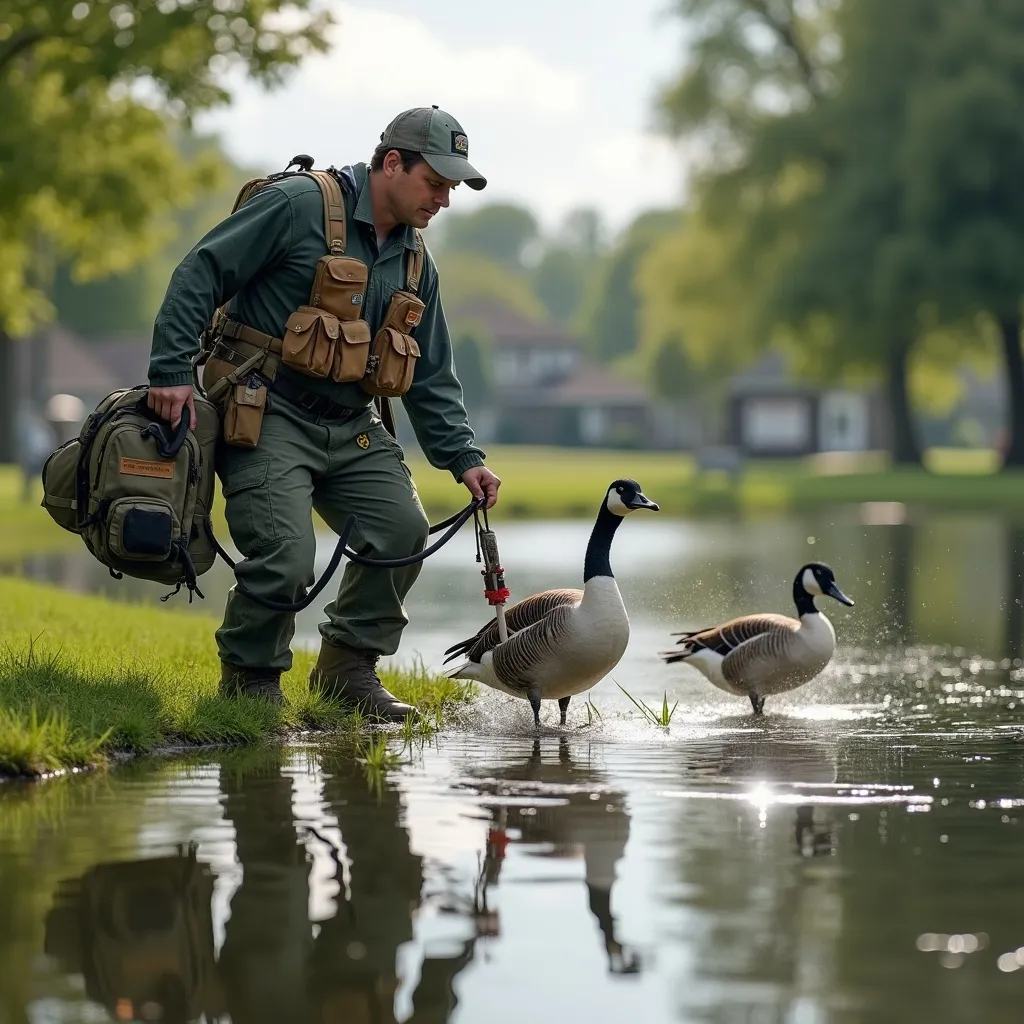
Why You Should Swift Action Against Wildlife Intrusions
Wildlife intrusions can rapidly intensify, resulting in substantial damage and health risks. When animals penetrate residential areas, they can compromise structural integrity, gnaw on wiring, and spoil food sources. Furthermore, the presence of wildlife can carry diseases, posing serious health threats to both humans and pets. Quick action is vital to address these risks and forestall further complications.
Overlooking the concern could result in costly maintenance and extensive clean-up efforts. Moreover, certain species are able to multiply quickly, increasing the population and exacerbating the situation. Swift intervention not only safeguards your home but also guarantees a safer living environment.
Engaging trained removal professionals can offer practical remedies adapted for distinct wildlife issues. Immediate intervention is essential to recover peace of mind and protect residences from the unpredictable nature of wildlife trespassing. Ultimately, quick action plans can substantially lower the risk of permanent harm and health risks associated with these incursions.
Warning Signs of a Creature Problem
How can a person determine if a wildlife problem is hiding nearby? Several indicators can show the presence of unwelcome animals. Homeowners may notice unusual noises, such as clawing or scurrying sounds, particularly at night. Additionally, droppings or tracks may show up around the property, revealing the kind of animals present. Harm to insulation, electrical lines, or wood structures can also indicate an intrusion, as many animals seek shelter in attics or crawl spaces.
One symptom includes eaten food wrapping or displaced garbage, demonstrating scavenging activity. Also, holes or burrows near the foundation may point to entry points for pests. Strange odor, often linked to dwelling or refuse, can be a significant red flag. Recognizing these signs promptly is essential for effective control and prevention, ensuring that property owners can take action appropriately before the situation intensifies.
Leading Perks of Specialized Wildlife Control Services
Professional wildlife removal services deliver substantial advantages for homeowners tackling unwanted animal intrusions. Essentially, experts contribute in-depth expertise and know-how, ensuring safe and proficient removal of wildlife without creating problems to the animals or the property. These professionals leverage innovative approaches and tools, which can handle complex situations that homeowners might not be suited to handle.
Additionally, professional services frequently deliver detailed examinations to pinpoint potential entry points, aiding in prevention of upcoming pest problems. This proactive approach not only eases current worries but also shields the home for years to come. Furthermore, many pest control firms extend coverage plans or promises, offering homeowners comfort and security.
Lastly, depending on professionals reduces the danger of harm from animal confrontations, guaranteeing a safer environment for families and animals. Overall, utilizing expert animal removal services can save time, anxiety, and possible property damage.
Recognizing Frequent Wildlife Unwanted Visitors in Your Residence
Homeowners often encounter various get the full story types of wildlife that can invade their living spaces, each creating unique challenges. Typical invaders consist of raccoons, squirrels, and rodents, which can cause damage if not addressed promptly. Raccoons are famous for pillaging attics and basements, drawn to food sources or shelter. Squirrels often settle in roofs or eaves, creating possible harm to the structure. Rodents, such as mice and rats, can invade homes in search of food, depositing droppings and contaminating living areas.
Also, birds may slip through unsealed vents and chimneys, creating noise and mess. Each species brings unique dangers, including disease transmission and property damage. Noticing the signs of these infestations—such as droppings, nesting materials, or grinding noises—can help homeowners take fast response. Early recognition is essential in preventing escalating issues and upholding a secure and sanitary living environment.
DIY against Professional: What Choice Is Best?
When considering animal removal, parties often weigh the positives of self-directed solutions against paid expertise. Cost, protection, and sustained efficiency are major considerations shaping this conclusion. Understanding these dimensions can support homeowners arrive at an thoughtful decision that ideally addresses their wants.
Budget Elements For Extraction
Choosing between DIY wildlife removal and retaining a professional can considerably affect both duration and expenses. DIY techniques often seem budget-conscious, as they typically involve minimal upfront expenses, such as purchasing traps or deterrents. Yet, hidden costs may occur from potential damages or recurrent invasions. On the other hand, professional services tend to have a higher initial fee but provide skill, promptness, and assured outcomes. Professionals have the required equipment and expertise to handle various wildlife safely and effectively, potentially saving homeowners from costly mistakes. Ultimately, the decision rests on specific situations, including budget, urgency, and the complexity of the wildlife issue at hand. Assessing these elements helps ensure a better choice.
Safety and Wellness Risks
Taking part in animal extraction presents important safety and health risks, especially when people attempt it without help. Untrained persons may face aggressive animals, causing potential bites or injuries. Also, many wildlife species carry diseases such as rabies, hantavirus, or leptospirosis, imposing significant health dangers to those unready to handle them. Improper handling can lead to contact with parasites such as fleas or ticks, increasing health risks. On the other hand, professional wildlife removal services come with the training, tools, and knowledge to reduce these risks effectively. They observe safety protocols, guaranteeing both animal welfare and human safety. In summary, the skills of professionals help prevent accidents and health concerns connected to wildlife removal.
Extended Performance Considerations
The long-term effectiveness of animal control methods depends upon various factors, particularly when contrasting DIY approaches with expert solutions. DIY techniques often lack the expertise and tools required for thorough removal and prevention, resulting in recurring infestations. Property owners might unintentionally miss access areas or neglect to identify the indicators of a more serious issue. In contrast, experts have specialized training and experience, enabling them to recognize and resolve issues more efficiently. They also implement protective strategies to reduce upcoming dangers. Financial factors may drive people to DIY solutions, but spending money on expert assistance can yield superior lasting outcomes. Ultimately, the decision between DIY and professional assistance should be guided by the complexity of the wildlife problem and the homeowner's willingness to invest in a lasting remedy.
Effective Techniques to Prevent Wildlife Intrusions
Developing solid strategies to minimize animal invasions is fundamental for preserving a safe and peaceful setting. Homeowners should proceed by securing accessible entry points. This requires sealing gaps in footings, structural walls, and roof areas, in addition to fitting screens on exhaust vents and fireplace chimneys. Moreover, eliminating available food is significant; responsibly containing refuse and taking out pet food can discourage wildlife from approaching your residence.
Landscaping also plays an important role. Keeping trees trimmed and preserving a clean yard minimizes hiding spots for wildlife. Moreover, using organic deterrents, such as motion-sensor lighting or noise devices, can effectively deter animals from entering the property.
Consistent monitoring of the home and adjacent areas permit the prompt identification of potential difficulties. Lastly, educating family members about wildlife patterns strengthens awareness, facilitating proactive actions to be undertaken. By embracing these approaches, homeowners can greatly reduce the probability of unwanted wildlife invasions.
What Happens Throughout a Wildlife Removal Procedure?
During a wildlife removal service, practitioners begin with a thorough initial inspection to establish the extent of the problem. Following the assessment, ethical trapping methods are employed to safely capture the animals. Finally, post-removal prevention steps guarantee that future intrusions are curtailed, insulating the property from additional creature problems.
Initial Inspection Procedure
Wildlife removal services begin by conducting a meticulous examination of the area to identify signs of infestation and likely entry points. Professional technicians carefully inspect both interior and exterior spaces, looking for droppings, nests, or damaged insulation that reveal animal activity. They evaluate the building's integrity, examining for gaps in eaves, vents, and foundations that may allow animals to get in the property. This preliminary assessment may utilize specialized tools to find underlying concerns. The insights gathered throughout this inspection is vital to formulating a tailored removal strategy, confirming that the treatment addresses the specific wildlife concern in an effective manner while decreasing damage to the property and occupants.
Compassionate Trapping Strategies
Numerous animal control companies focus on humane trapping methods to guarantee the humane transfer of animals. These specialists implement cage traps created to catch wildlife safely. Normally, food is placed to lure the animal, ensuring it enters the trap willingly. Once captured, the animal is monitored to minimize stress and discomfort.
Once the creature is contained, the service assesses its condition and behavior prior to release. This procedure commonly involves transporting the animal to a specific location far from human inhabited areas, ensuring it is able to survive in an appropriate setting. Throughout this procedure, the focus is on the well-being of the creature, following local laws and moral norms. By choosing humane trapping, teams foster a harmonious coexistence between humans and wildlife.
Steps to Prevent Issues After Extraction
Once the animals has been successfully eliminated, the next essential phase focuses on preventative measures to confirm that similar issues do not occur in the future. This involves a comprehensive examination of the property to detect potential entry points, such as gaps in roofing, ventilation systems, or foundation areas. Closing these openings with appropriate materials is crucial to discourage subsequent wildlife. Furthermore, homeowners are recommended to keep a clean environment by removing food sources and debris that could attract animals. Installing protective structures, such as fencing or mesh barriers, can further protect vulnerable areas. Regular maintenance and monitoring of the property confirm that any signs of animal presence are handled promptly, safeguarding both home and property from subsequent wildlife invasions.
Common Questions Asked Frequently
What Regional Rules Are in Place for Wildlife Removal Operations?
Local regulations for wildlife removal services generally require permits, adherence to ethical approaches, and compliance with state laws covering specific species. These directives ensure the safeguarding of both wildlife and the community's safety and welfare.
How Can I Effectively Repel Wildlife in a Safe Way Without Damaging Them?
To humanely discourage wildlife, one can utilize humane techniques such as motion-sensor lighting, natural repellents, and secure garbage containers. Additionally, keeping spaces clean minimizes food sources, prompting creatures to find alternative habitats.
When Do Wildlife Incursions Occur Most Often Throughout Specific Seasons?
Wildlife intrusions tend to peak during spring and fall. Spring brings young animals in need of food, while fall often sees creatures in search of warmth and shelter, amplifying the chance of encounters with human habitats during these seasons.
What Can I Proceed if I Spot Orphaned Wildlife?
Should you encounter orphaned wildlife, observe at a distance, refrain from handling directly, and reach out to local wildlife authorities or rehabilitation centers for advice, guaranteeing the creatures get proper treatment and assistance from experienced experts.
How Can I educate My Family About Wildlife Protection?
To inform the family about wildlife safety, one can arrange educational talks, share resources on local species, practice safe outdoor habits, and encourage appreciation of wildlife habitats, building understanding and responsible interactions with nature.